The authentic Bulgarian taste! Local art, UNESCO heritage, Orthodox monasteries, thermal springs, the Black Sea, medieval history, lovely authentic villages, creative activities, nature, great local gastronomy, rose products and interesting meetings with local people. You can see, taste and feel Bulgaria!
Day by day
Day 1
So Sofia, so old and so modern…
Arrival in Sofia. The old city has long been an important crossroads between Asia Minor and Europe, and its monuments attest to the many cultures and civilizations that flourished here. A beautiful city on its way to becoming a big, modern European city, with green areas, ancient churches and buildings from the beginning of the 20th century.
Welcome and transfer to our centrally located hotel. Dinner. Visits on the first day are arranged around your flight times.
Day 2 · Sofia – Boyana Church – Veliko Tarnovo · 250 km
Pray, eat, dance!
Breakfast. Visit to the Boyana Church (UNESCO World Heritage Site), whose 13th-century frescoes are considered a forerunner of the European Renaissance and true masterpieces of medieval art.
Departure to Veliko Tarnovo, capital of the Second Bulgarian Kingdom (12th–14th century) and a rich trading centre during the Ottoman period. Accommodation and lunch. Visit to Tsarevets Fortress, the medieval stronghold on the hill of the same name, which served as the Second Bulgarian Empire’s primary fortress from 1185 to 1393 and housed the royal and patriarchal palaces.
A creative walk along Samovodska Charshia, the craftsmen’s street, and through the old quarters of the town, with beautiful views over the Yantra River. On the way, a short tasting of local tea and spelt products (from the ancient wheat of the Thracians, grown only in Bulgaria). Dinner.
Day 3 · Veliko Tarnovo – Arbanasi – Bozhentsi – Tryavna
Crafts, a Revival town, gastronomy…
Breakfast. Visit to the architectural reserve of Arbanasi, 5 km from Veliko Tarnovo. The village has preserved magnificent monuments from the Bulgarian Revival, old churches and beautiful yards full of flowers. We visit the 17th-century Church of the Nativity, with the oldest preserved wooden iconostasis surrounded by frescoes of the Tarnovo painting school, and the Konstantsaliev House, one of the largest richly decorated houses of the 17th century.
Departure to Bozhentsi. Gastronomy experience and lunch in a traditional family house, with homemade cheese and yoghurt tasting. Bozhentsi is an authentic village and architectural reserve, known for its verandas, stone-slab roofs, corner fireplaces and carved wooden ceilings. A walk through the village.
Arrival in Tryavna, a town famous for its woodcarvers, whose work graces churches and mansions across the country. Free time along the romantic bridges and cobbled streets lined with National Revival homes, and a creative workshop: glass painting in a small gallery in the old town. Accommodation. Dinner.
Day 4 · Tryavna – Etar – Kazanlak – Burgas
From the green forests of the Balkan mountains through the Rose Valley to the Black Sea coast…
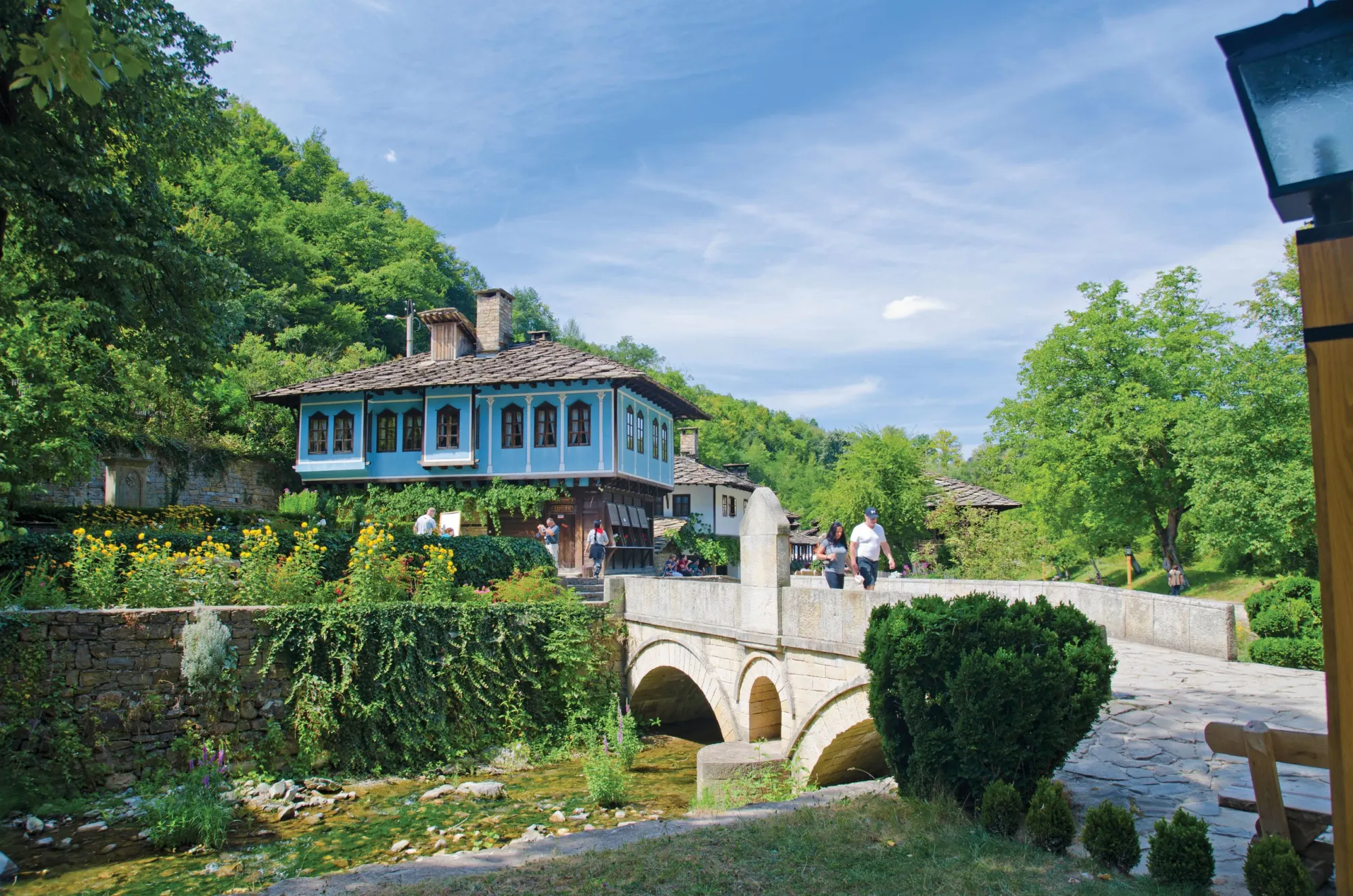
Breakfast. Visit to the Museum of Woodcarving in Tryavna and to the Etar Architectural-Ethnographic Complex, the only collection in Bulgaria of water-driven technical installations: fulling mills, water mills, grindstones. On the crafts bazaar you can watch the craftsmen at work: bell making, pottery, sugar making, furriery, copper work and more.
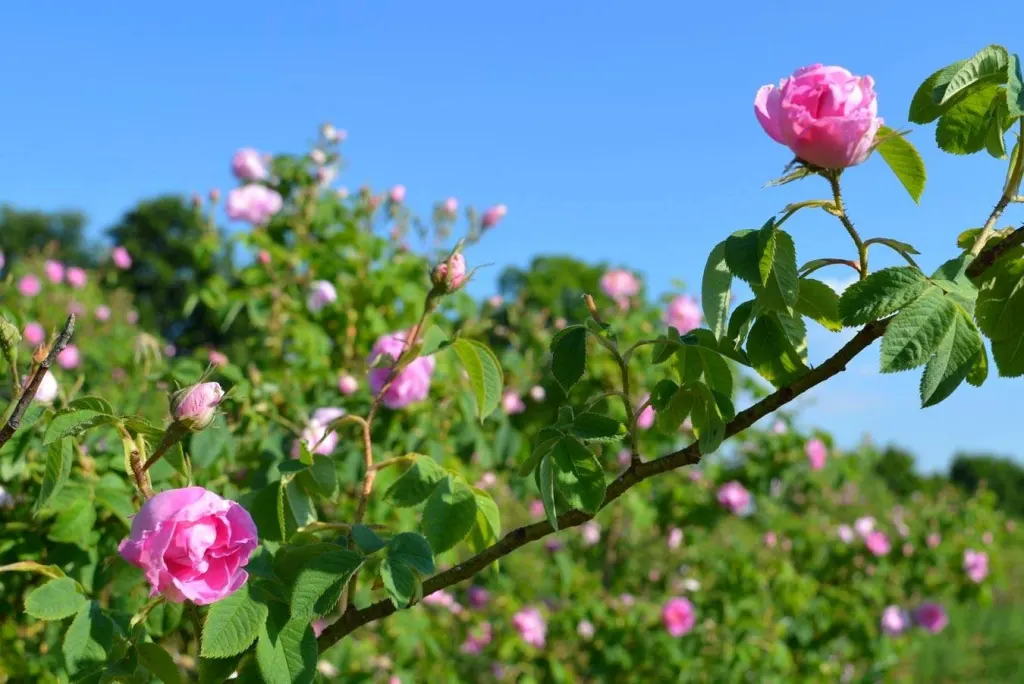
Departure to Kazanlak, the capital of the Rose Valley. Rosa damascena is the greatest treasure of the region: imported centuries ago, it developed in Bulgaria’s climate and soil into a distinct Bulgarian strain and is today a national symbol. Lunch. Visit to a distillery in the Rose Valley to learn about the production and qualities of Bulgarian rose oil; in the old rose laboratory you can buy original rose and lavender products.
Visit to one of the Thracian tombs of Kazanlak (UNESCO heritage) and the History Museum with finds from the tombs. Departure to Burgas, one of the major cities on the Black Sea coast. Accommodation. Dinner.
Day 5 · Burgas – Nessebar – Burgas
UNESCO heritage, beach, sea and lovely walks…
Breakfast. A walk through the old UNESCO town of Nessebar, one of the oldest towns in Europe and the richest in medieval architectural monuments in Bulgaria. It grew from an ancient Thracian settlement founded around 2000 BC and holds nearly 60 Revival-period houses (18th–19th century) and more than 40 churches.
Lunch. Two hours of free time on the beach in the afternoon. Return to Burgas and a walk in its famous Sea Garden. Dinner.
Day 6 · Plovdiv
8,000 years of history and art under the hills…
Breakfast. Departure to Plovdiv. Lunch. Sightseeing in the old town, one of the most spectacular ensembles of houses from the Bulgarian National Revival: the Church of Saints Constantine and Helena, the Roman Theatre and some of the most important houses, plus local crafts on the crafts street.
We climb to the highest point of Nebet Tepe to see Plovdiv and its hills, and pass the Roman Stadium, the Dzhumaya Mosque and the Roman Forum. Time for the Kapana district, the creative industries quarter, with handmade products and homemade lemonade or beer. Shopping and a walk in the big city park. Dinner.
Day 7 · Plovdiv – Bansko – Banya
Macedonian stories and music, thermal springs and lovely views of Pirin
Breakfast. Departure to Bansko, at the foot of the Pirin Mountains: a popular ski resort with over 140 cultural monuments. We visit the old town with its typical Revival houses (18th–19th century), the Holy Trinity Church, the Velyanova House and the house of the teacher Neofit Rilski.
Bansko is famous for its traditional rugs and colourful knitted socks, and for its music: everybody in Bulgaria knows the Macedonian songs. In the local cultural centre we have a short workshop with traditional songs from Macedonia. Lunch.
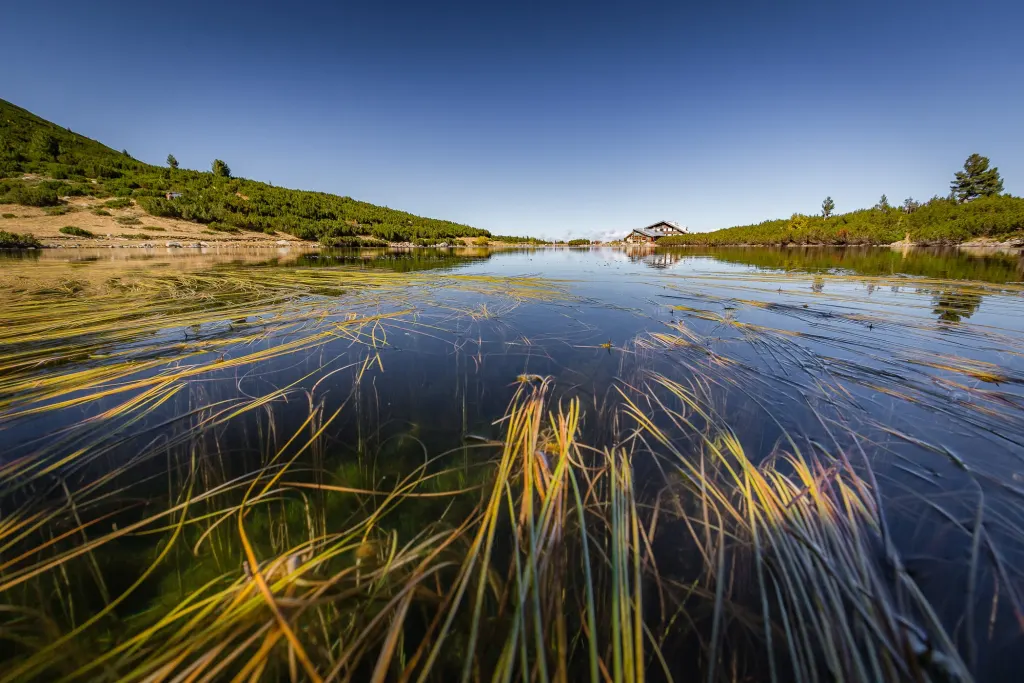
Accommodation in Banya, the neighbouring village, with thermal springs and wonderful nature. Time to enjoy the springs, and a short mountain walk in Pirin before sunset. Dinner.
Day 8 · Banya – Rila Monastery – Sofia
Rila and the great Orthodox monastery!
Breakfast. Departure to Rila Monastery (UNESCO heritage), an important symbol not only for Bulgarians but for the whole Orthodox world. Its frescoes and icons are among the jewels of Balkan art and the Bulgarian Renaissance (17th–19th century), and we visit every corner of it.
Lunch in a family restaurant in the Rila mountains with traditional local food: the best potatoes, trout and homemade yoghurt with jam, plus a lovely mountain view. Arrival in Sofia. Accommodation. Time for Vitosha Boulevard, Sofia’s main shopping street. Dinner.
Day 9
Transfer to Sofia Airport
Timing depends on your flight.